
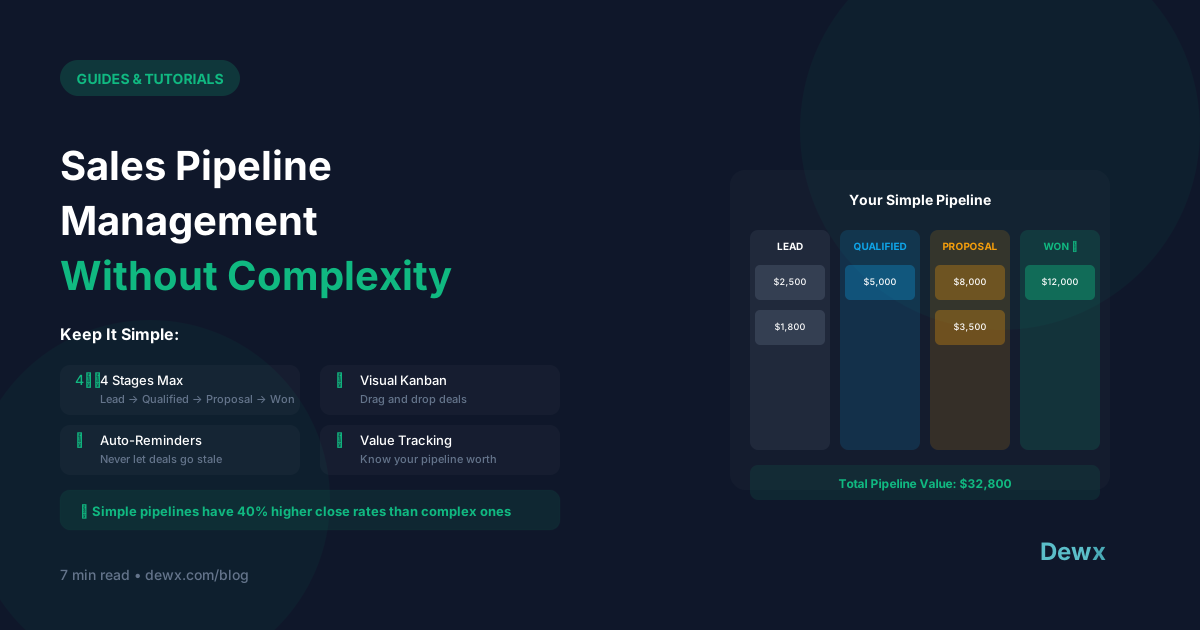
Sales Pipeline Management Without Complexity
Pipeline management gets overcomplicated. Here's the simple version that actually works.
Pipeline Basics
What is a Sales Pipeline?
A visual representation of where prospects are in your sales process.
Why It Matters:
- See all opportunities at a glance
- Predict future revenue
- Identify bottlenecks
- Prioritize your time
The Simple Pipeline Framework
5 Stages (That's It)
1. Lead Someone showed interest. Not qualified yet.
2. Qualified Confirmed they have budget, need, and authority.
3. Meeting Active conversation happening.
4. Proposal You've presented your solution and pricing.
5. Decision Ball is in their court. Awaiting yes/no.
Then: Won or Lost
That's it. No need for 12 stages.
Managing Your Pipeline
Daily Habits (5 minutes)
- Check for stage changes needed
- Review today's follow-ups
- Update deal amounts if changed
- Add any new leads
Weekly Habits (30 minutes)
- Review entire pipeline
- Move stale deals or mark lost
- Calculate expected close value
- Plan next week's outreach
Monthly Habits (1 hour)
- Analyze win/loss patterns
- Review pipeline velocity
- Adjust forecasts
- Clean up old opportunities
Key Pipeline Metrics
1. Pipeline Value
Total value of all open opportunities. Target: 3-4x your revenue goal
2. Win Rate
Deals won ÷ Total deals closed Benchmark: 20-30% for new business
3. Average Deal Size
Total revenue ÷ Number of deals Track: Month over month trends
4. Sales Cycle Length
Average time from Lead to Won Goal: Reduce over time
5. Stage Conversion Rates
% that move from each stage to next Focus: Improve weakest transitions
Pipeline Hygiene
Mark Deals Lost When:
- No response after 3 follow-ups
- Budget confirmed gone
- Chose competitor
- Project cancelled
Don't let zombie deals inflate your pipeline.
Update Regularly:
- Change stage when reality changes
- Adjust close dates honestly
- Update values based on conversations
Simple Tools That Work
Spreadsheet (Small scale)
- Google Sheets or Excel
- Columns: Deal, Company, Stage, Value, Close Date
- Sort by stage or close date
CRM (Growing scale)
- Pipedrive: Visual, simple
- HubSpot Free: Good starter
- Dewx GTM: Integrated with inbox
Key Features to Use:
- Drag-and-drop stages
- Deal value tracking
- Automated reminders
- Basic reporting
Common Mistakes
- Too many stages. Keep it simple
- Not updating. Outdated pipeline is useless
- Fantasy close dates. Be realistic
- No loss tracking. Learn why you lose
- Ignoring metrics. Data tells the story
Pipeline + Inbox Integration
The biggest time sink is updating your CRM after every conversation.
Dewx GTM Hub solves this:
- Pipeline connected to unified inbox
- Deals update from conversation context
- AI suggests stage changes
- No manual data entry
Simplify your pipeline. Try Dewx GTM Hub.